Call Us
- +91-9350809193
- Mon - Sat: 10 AM to 6 PM

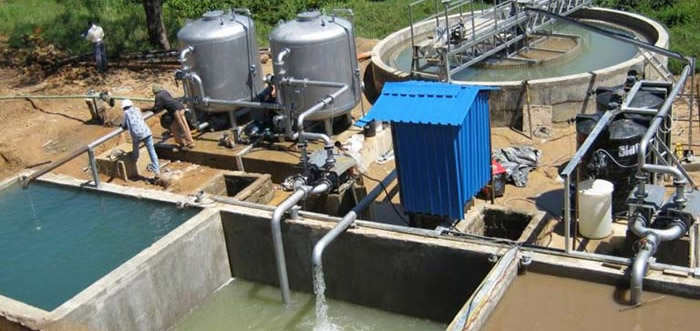
Industrial Wastewater Management
Smart Engineering for Cost-Effective ETP Operations

Reduce Costs Without Compromising Performance or Compliance
Operating an Effluent Treatment Plant (ETP) is a necessity for industries, but high energy consumption, chemical usage, and maintenance costs often make it a significant operational expense. With smart engineering solutions, industries can effectively reduce ETP operational costs while maintaining optimal treatment efficiency and regulatory compliance.
One of the most effective ways to reduce ETP costs is through process optimization. By analyzing influent characteristics and redesigning treatment stages, unnecessary chemical dosing and excessive energy usage can be minimized. Smart automation and sensor-based monitoring further help in maintaining consistent performance with reduced manual intervention.
Energy-efficient equipment such as high-efficiency blowers, variable frequency drives (VFDs), and optimized pumping systems play a critical role in lowering electricity consumption. Since energy accounts for a major portion of ETP operating costs, upgrading to modern, energy-saving technologies delivers long-term financial benefits.
Chemical cost reduction is another key area where smart engineering makes a difference. Advanced treatment technologies, proper equalization, and precise dosing systems ensure that chemicals are used only where necessary, avoiding wastage and improving treatment outcomes.
Sludge management also impacts operational expenses. Efficient sludge dewatering systems and better process control reduce disposal costs while improving overall plant hygiene and performance.
At Quality Aqua Engineering, we design and upgrade ETP systems with a focus on smart engineering, automation, and sustainability. Our customized solutions help industries reduce operational costs, extend equipment life, and achieve consistent compliance with pollution control norms.
If you are looking to optimize your ETP operations and reduce long-term costs, our expert team can assess your existing system and deliver tailored solutions that maximize efficiency and savings.