Call Us
Preloader Close
- +91-9350809193
- Mon - Sat: 10 AM to 6 PM
RO Plant Blog
RO System Performance for Industrial Water Treatmente

Understand How Optimizing RO System Performance for Industrial Water Treatment
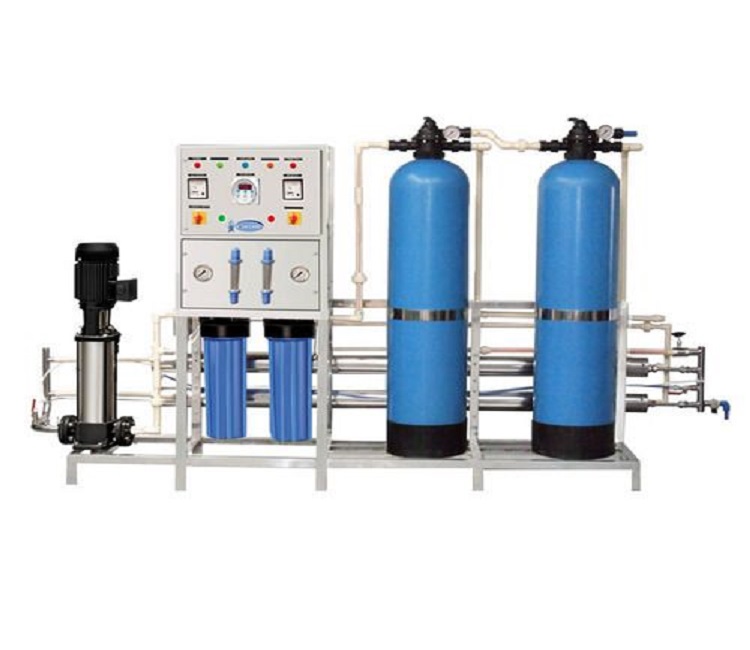
Reverse Osmosis (RO) technology has become a cornerstone of industrial water treatment, widely used for processes requiring high-purity water, such as in pharmaceuticals, power generation, food & beverage, and electronics manufacturing. However, the performance and efficiency of an RO system are not guaranteed simply by installation. To truly maximize its potential and extend its operational life, optimizing RO performance is essential.
One of the key factors in achieving optimal RO performance is effective pretreatment. Feed water must be properly conditioned to reduce fouling, scaling, and biological growth that can clog or damage RO membranes. This often involves the use of filtration systems, antiscalants, softeners, and chemical dosing to ensure the feed water meets required quality standards before entering the RO unit.
Membrane care and cleaning are also critical components of RO optimization. Regular monitoring of membrane pressure drop, salt rejection, and flow rate can help detect early signs of fouling or scaling. Periodic cleaning using recommended chemical solutions can restore membrane performance and prevent premature replacement, saving costs in the long run.
System design and operational parameters play a vital role in overall efficiency. Ensuring the RO unit runs at optimal recovery and rejection rates, along with balanced flow and pressure across all membranes, minimizes energy consumption while maintaining water quality. Industrial facilities should also invest in automated controls and monitoring systems to track performance in real time and enable predictive maintenance.
In conclusion, optimizing RO performance for industrial use requires a holistic approach that includes proper pretreatment, regular maintenance, performance monitoring, and system design optimization. With water becoming an increasingly valuable resource, efficient RO operations not only reduce operational costs but also support environmental sustainability and regulatory compliance.