Call Us
Preloader Close
- +91-9350809193
- Mon - Sat: 10 AM to 6 PM

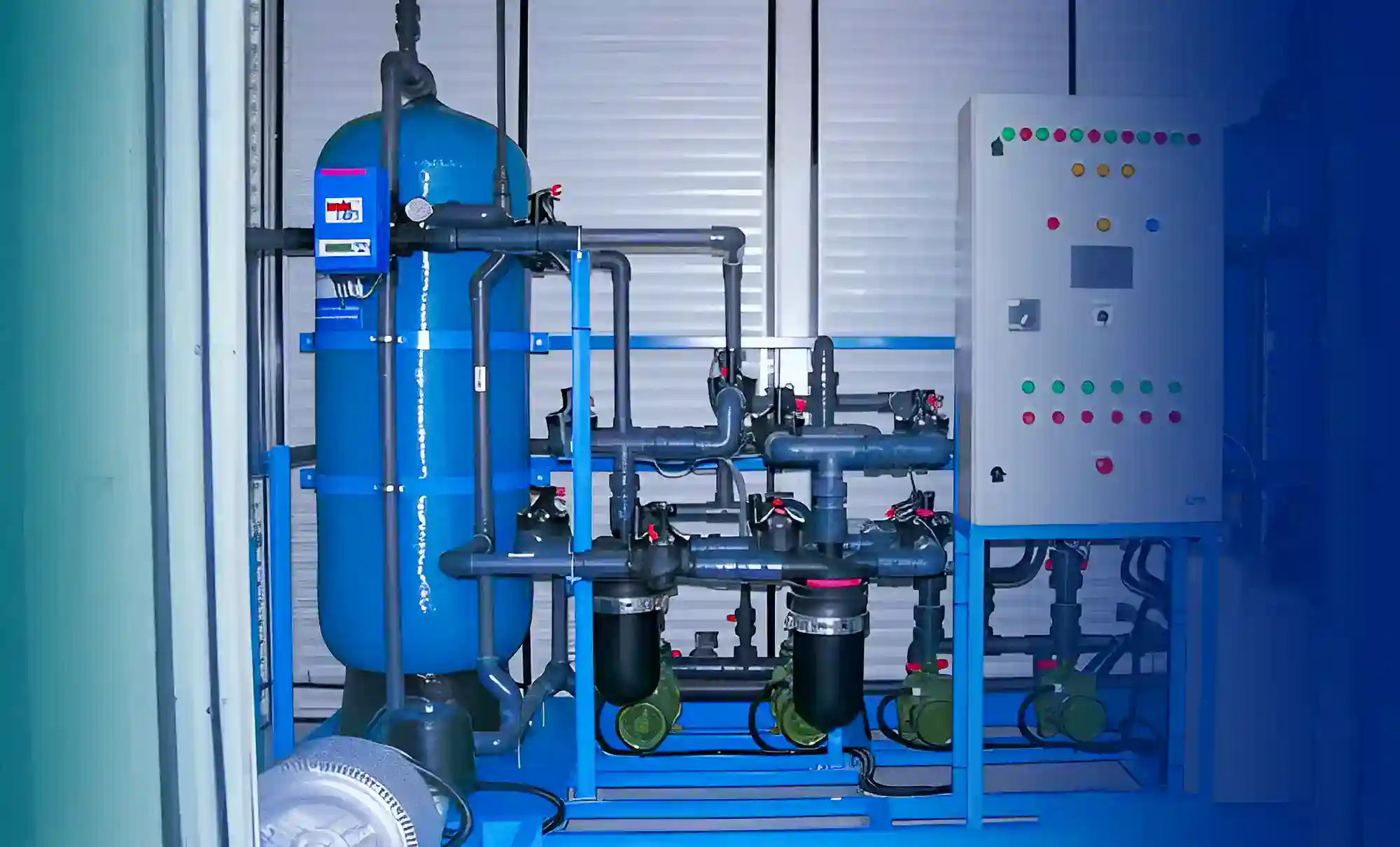
Key Differences Between Industrial, Commercial & Domestic RO Systems
Understanding the Differences Between Industrial, Commercial & Domestic RO Systems

Choosing the Right RO System: Domestic, Commercial, or Industrial?
Reverse Osmosis (RO) systems have become essential in ensuring access to clean, safe water. Whether for drinking, manufacturing, or food preparation, RO technology effectively removes contaminants and improves water quality. However, not all RO systems are created equal. Depending on their application, RO systems are classified into industrial, commercial, and domestic categories. Let’s break down the key differences between these three types.
1. Purpose and Application
Domestic RO Systems are designed for homes and small apartments. Their primary function is to provide safe drinking water by removing impurities like chlorine, bacteria, heavy metals, and dissolved salts.
Commercial RO Systems serve medium-scale applications such as restaurants, schools, offices, hospitals, and small factories. They provide purified water for cooking, cleaning, or basic operational needs.
Industrial RO Systems are built for large-scale operations. They are used in manufacturing plants, pharmaceuticals, power plants, textile industries, and other facilities where large volumes of high-purity water are essential for production processes.
2. Capacity and Flow Rate
Domestic RO units typically produce 10–75 liters per hour (LPH), which is sufficient for household usage.
Commercial RO systems range from 100–1000 LPH, depending on business needs.
Industrial RO systems can produce anywhere from 1,000 to over 10,000 LPH, and in some cases, even more.
3. Design and Size
Domestic RO units are compact and designed to fit under the kitchen sink or on countertops. They are user-friendly and often come with built-in storage tanks.
Commercial RO systems are larger and may require dedicated space or utility rooms. They feature stronger pumps, higher membrane capacity, and durable components to support extended hours of operation.
Industrial ROsystems are complex and large in scale. These systems require professional installation, dedicated infrastructure, and ongoing technical maintenance. They often involve pre-treatment and post-treatment units as part of the complete water purification system.
4. Filtration and Membrane Type
While all three systems use RO membranes, the type, quality, and quantity of membranes differ:
Domestic systems use basic thin-film composite (TFC) membranes.
Commercial systems use more robust membranes that can handle moderate TDS (total dissolved solids) and higher pressure.
Industrial systems use high-performance membranes capable of handling extreme TDS levels, high flow rates, and continuous operation.
5. Cost and Maintenance
Domestic RO systems are relatively affordable and cost-effective for home users. Maintenance is minimal and usually involves filter changes every 6–12 months.
Commercial RO systems are more expensive and require routine servicing to ensure uninterrupted operation.
IIndustrial RO systems involve significant upfront investment and ongoing operational costs. Maintenance is critical and typically handled by trained personnel or service providers.
In summary, the main differences between industrial, commercial, and domestic RO systems lie in their purpose, capacity, design, filtration capability, and maintenance needs. Choosing the right RO system depends on your specific water consumption requirements and the level of water purity needed.
For homes, a compact domestic RO system is perfect. For businesses, a commercial system meets daily demand efficiently. For factories and large operations, an industrial RO system becomes a necessity.